Halloween Patch: A Seasonal Embroidery Designer’s Real-World Review
First Impression: Festive, Playful, and Visually Magnetic
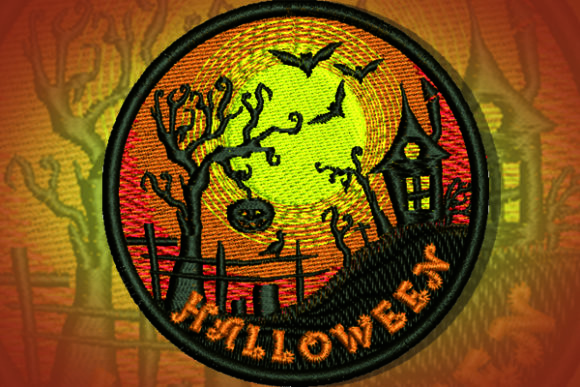
Opening the Halloween Patch file, I immediately felt the seasonal energy—this isn’t a generic jack-o’-lantern or cartoon ghost. It carries a warm, playful mood with subtle sophistication, thanks to its four-thread color garage effect. That gentle gradient shift between tones creates depth and movement, making the design feel alive on fabric. It reads as festive without leaning into kitsch, cozy without sacrificing clarity, and modern without losing holiday charm. For small shop owners building curated collections, that balance is gold: it appeals across age groups—from kids’ backpacks to adult aprons—and fits seamlessly beside vintage-inspired or minimalist home decor lines.
Where Halloween Patch Shines in Real Holiday Selling
This embroidery file excels where seasonal emotion meets practical product use. On sweatshirt embroidery, it anchors family matching sets with instant cohesion—no need for coordinating prints or fonts. As a tote bag design, it transforms an everyday item into a giftable, Instagram-ready piece, especially when paired with a printable mockup showing it styled with candy jars or autumn florals. For kitchen towel embroidery or pillow cover applications, the color garage effect softens contrast just enough to avoid visual fatigue in home spaces—critical for holiday table linens or nursery accents.
Etsy sellers will appreciate how Halloween Patch supports bundled listings: pair it with a coordinating embroidered patch set (e.g., “Spooky Trio”) or layer it onto a personalized gift like a baby onesie + matching burp cloth. At craft fairs, stitched samples on textured fabrics—like linen aprons or canvas totes—draw attention faster than flat prints. And for limited edition apparel drops? Its clean outline and moderate detail scale beautifully across sizes, maintaining legibility from XS to 3XL without re-digitizing.
Places to Use Halloween Patch Thoughtfully
Like any strong seasonal embroidery, Halloween Patch demands intentionality—not limitation. Avoid applying it to extremely small hoop sizes (<3" diameter) where the color garage effect may blur or lose definition. Tiny lettering or fine interior details aren’t part of this design, but if you’re adding custom text nearby, keep font size generous and test stitch density first. Thick terry cloth towels or heavy canvas bags require extra stabilizer support—especially where thread build-up occurs near dense satin-stitched areas.
Dark fabric? Yes—but verify all four thread colors against your base material in natural light; some mid-tone threads can mute unexpectedly. Metallic thread substitutions aren’t recommended here—the garage effect relies on matte tonal shifts, not shine. Stretchy garments (like ribbed knit cuffs or curved cap fronts) need cutaway stabilizer and possibly reduced top tension to prevent puckering. And for items facing repeated washing—baby bibs, kitchen towels, or reusable trick-or-treat bags—confirm the finished product holds up after at least three cold-water cycles before launching a handmade gift line.
How Halloween Patch Elevates Your Seasonal Strategy
This isn’t just decoration—it’s emotional infrastructure. During peak Halloween shopping, buyers scan fast. Halloween Patch delivers instant visual recognition: no decoding needed, no vague motifs. That builds customer trust quickly, especially for new Etsy shops or small business owners establishing brand consistency. When used across multiple product types—say, a matching set of embroidered pillow cover, apron, and tote—the design becomes a quiet signature, reinforcing your shop identity without logos or slogans.
Giftability rises significantly. A single-stitch design feels accessible, but the color garage effect adds perceived value—shoppers equate that nuance with premium craftsmanship. In social media previews, it photographs cleanly against both rustic wood backdrops and sleek marble surfaces, supporting versatile branding. And because it avoids licensed characters or overused tropes, it supports long-term reuse: rotate it into fall-themed collections one year, then spotlight it again as part of a “spooky elegance” sub-collection the next—extending your digital embroidery file’s ROI across seasons.
Practical Embroidery Designer Notes Before You Stitch
- Test thread colors on both light and dark fabric—especially the mid-tones in the garage effect—to ensure contrast and warmth translate as intended.
- Check stitch density before mass production. Too dense = stiff fabric; too loose = lack of dimension. Adjust based on fabric texture and end-use.
- Confirm hoop size compatibility with your target products—jackets and hats often require smaller hoops than tote bags or pillow covers.
- Use proper stabilizer: tear-away for stable wovens (like cotton twill), cutaway for knits or stretchy blends, and water-soluble topping for dense stitches on napped fabrics.
- Create realistic mockups using actual fabric swatches—not just white backgrounds—to preview how Halloween Patch interacts with grain, drape, and texture.
- Review small details after stitching, especially along edges where thread transitions occur—ensure no skipped stitches or thread breaks compromise the garage illusion.
- Plan matching color palettes across your seasonal collection—coordinate thread tones with packaging, tags, or complementary printed elements to strengthen visual storytelling.
- Confirm commercial licensing before selling finished products. If you’re sourcing Halloween Patch as a digital embroidery file, verify it permits resale of physical embroidered goods—non-negotiable for Etsy sellers and small shop product lines.
Final Thought: A Reliable Anchor for Your Halloween Line
Halloween Patch isn’t flashy—but it’s dependable, emotionally resonant, and commercially smart. As a machine embroidery design, it bridges craft integrity and market readiness. Whether you're prepping for October craft fairs, building a holiday drop for your apparel brand, or expanding your handmade gift catalog, this embroidery file earns its place—not as filler, but as foundation. Stitch it right, pair it thoughtfully, and let its quiet seasonal magic do the rest.